
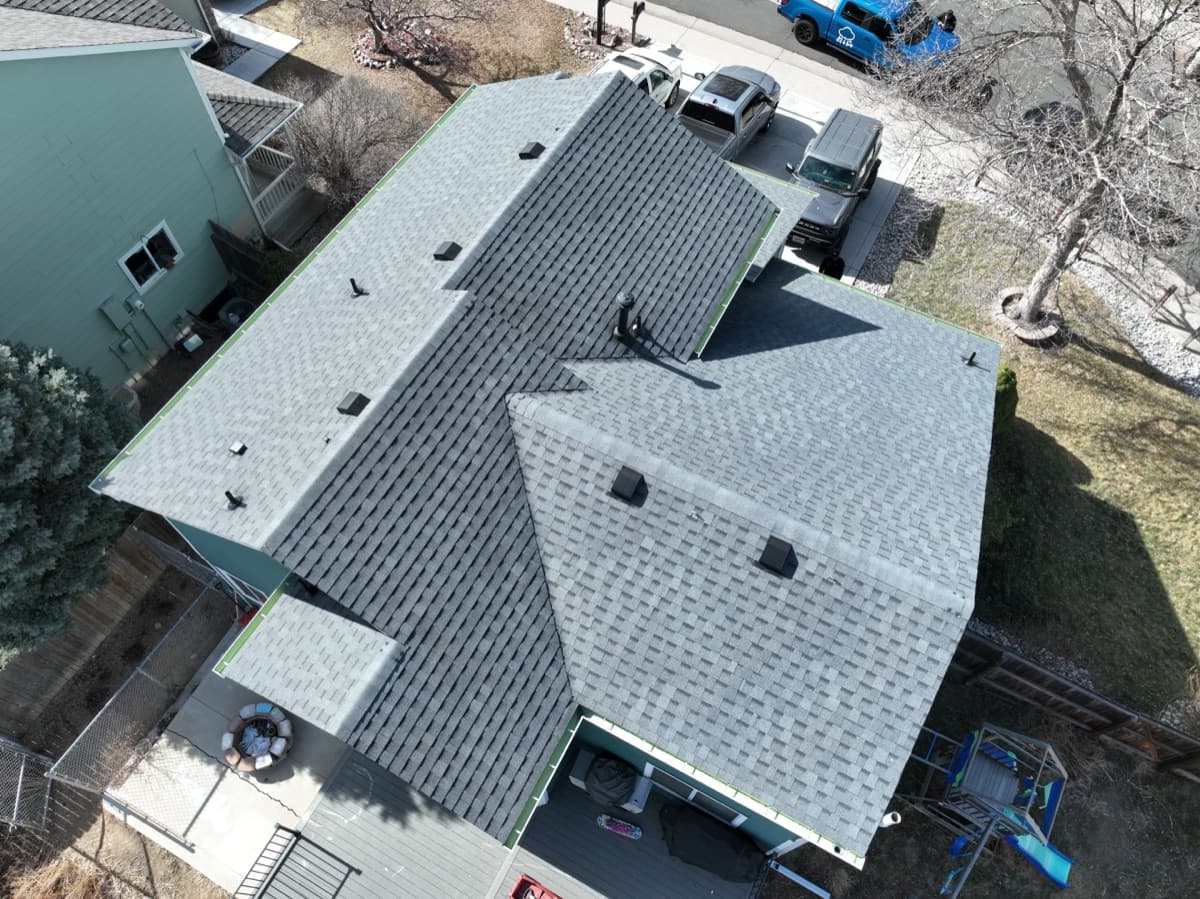
When Colorado homeowners think about threats to their roof, hail is always the first thing that comes to mind. And for good reason. Hail causes dramatic, visible damage that triggers insurance claims and forces replacements insurance claims assistance.
But there is another threat that does more cumulative damage to Colorado roofs than any individual storm. It works silently, every single day, 365 days per year. It never takes a break and you cannot see it happening in real time.
UV radiation is the silent killer of Colorado roofs.
Why UV Damage Is Worse in Colorado
The science is straightforward. UV radiation increases with elevation because there is less atmosphere above you to filter it. At Denver's elevation of 5,280 feet, UV intensity is roughly 25 percent higher than at sea level. At 7,000 feet (Castle Rock, Monument, Woodland Park), it is approximately 35 percent higher.
Colorado also has over 300 days of sunshine per year. That is not 300 warm days. That is 300 days where the sun is beaming UV radiation directly onto your roof, including during winter when the sun reflects off snow and effectively doubles the UV exposure on your roof surface.
The combination of altitude and sunshine means Colorado roofs receive significantly more cumulative UV exposure per year than roofs in almost any other populated area of the country.
What UV Does to Asphalt Shingles
Asphalt shingles have two primary defenses against UV: the ceramic granule coating on the surface and the chemical composition of the asphalt itself.
Granules are small, crusite fired ceramic particles embedded in the asphalt surface. They serve the same purpose as sunscreen on skin. They block UV from reaching the asphalt underneath. When granules are lost (through normal weathering, hail impact, or foot traffic), the exposed asphalt is vulnerable to direct UV attack.
UV radiation breaks the molecular chains in asphalt through a process called photo oxidation. This makes the asphalt progressively more rigid, brittle, and prone to cracking. You can see the effects on older roofs: the shingles look dry, faded, and stiff instead of flexible and richly colored.
Once photo oxidation begins, it accelerates. More brittle asphalt means more micro cracks. More cracks mean more exposed surface area. More exposure means faster degradation. It is a self reinforcing cycle that proceeds invisibly until the damage is severe.
Signs of UV Damage on Your Roof
Fading and color loss. If your dark charcoal roof now looks washed out gray, UV has degraded the granule surface and the underlying asphalt.
Granule accumulation in gutters. Some granule loss is normal, especially on new roofs. But persistent heavy granule loss on an established roof indicates UV is breaking down the adhesion between the granules and the asphalt mat.
Curling shingle edges. As asphalt loses flexibility from UV degradation, shingles begin to curl at the edges. The edges are most exposed and dry out first.
Cracking or splitting. Advanced UV damage causes visible cracks in the shingle surface. These cracks expose the fiberglass mat underneath and are pathways for water.
Brittle, stiff shingles. Healthy shingles have some flexibility. You can bend the edge slightly without it cracking. UV damaged shingles snap like a dry twig.
How UV and Hail Work Together
UV damage and hail damage are not separate problems. They compound each other. Hail impact displaces granules, exposing the asphalt to more UV. UV degrades the exposed asphalt, making it more brittle. The next hail impact does more damage to the now brittle shingle than it would have to a healthy one.
This is why two roofs of the same age and same product can look dramatically different after the same hailstorm. The roof with more UV degradation sustains worse damage because the shingles were already compromised before the hail hit.
Protecting Your Roof from UV
Choose heavier shingles with dense granule coverage. More granules means more UV blocking capacity. Class 4 impact resistant shingles are generally heavier than standard products and carry denser granule coatings.
Consider algae resistant shingles. While algae resistance itself is not about UV, the copper or zinc granules used in algae resistant products can provide additional UV blocking benefit.
Ensure proper ventilation. Excessive attic heat from poor ventilation softens the asphalt from below while UV attacks from above. Proper ventilation reduces the internal heat factor and slows the overall degradation process.
Schedule regular inspections. UV damage progresses gradually, and catching it early allows you to plan a proactive replacement rather than dealing with an emergency leak. Annual professional inspections are especially important for roofs over 10 years old in Colorado schedule a free inspection.
Manufacturer Response to UV
Major manufacturers are aware of the UV challenge in markets like Colorado and have responded with improved formulations. GAF's proprietary ceramic fired granules are designed for UV stability. CertainTeed and Malarkey use SBS and polymer modified asphalt that resists photo oxidation better than standard oxidized asphalt. Owens Corning's Duration line uses their proprietary granule adhesion technology.
These improvements are meaningful but they do not eliminate UV degradation. They slow it down. In Colorado, even the best shingles are fighting a more intense UV battle than they face at lower elevations.
The Bottom Line
Hail gets the headlines. UV does the daily damage. Your Colorado roof is under constant UV attack, and that attack is significantly more intense here than in most of the country. Choosing the right materials, maintaining proper ventilation, and scheduling regular inspections are the best defenses you have.
Gates Enterprises installs roofing products specifically selected for Colorado's UV environment. Our quadruple certification from GAF, Owens Corning, CertainTeed, and Malarkey gives us access to every premium product line and the ability to recommend the best UV protection for your specific elevation and exposure about Gates Enterprises.
Call us at (720) 766-3377 or contact us for a free roof inspection. We will assess your current roof's UV condition and recommend the best path forward See our best roofer in Denver page for certified roofing options near you..