
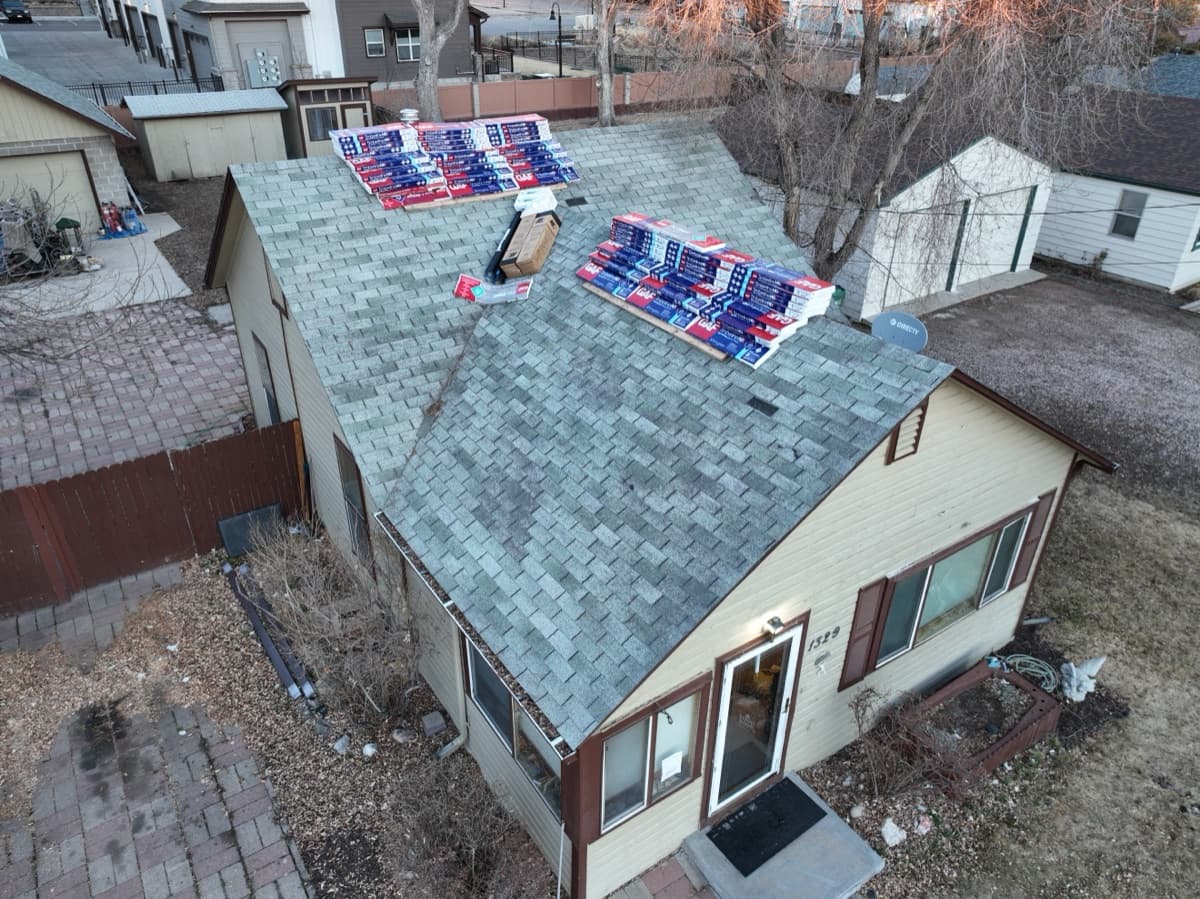
If you own a home in Evergreen, Conifer, Bailey, Morrison, Idaho Springs, or any of the mountain communities along the I 70 corridor and Highway 285, your roofing needs are different from your friends down in the flatlands. Your home sits at an elevation where the weather is more extreme, the building codes are more specific, and the logistics of getting a roofing crew and materials to your property add a layer of complexity that does not exist in the suburbs.
Mountain roofing is not harder in a way that should scare you. But it does require a contractor who understands the specific challenges and has experience working at altitude. Here is what makes mountain roofing different and what you should know before your next project.
Snow Loads
Mountain communities receive significantly more snow than the Denver metro area. Annual snowfall in mountain towns along the Front Range foothills ranges from 80 to over 200 inches, compared to roughly 60 inches in Denver. And mountain snow tends to accumulate rather than melt quickly because temperatures stay lower for longer periods.
Your roof's structural design must accommodate the weight of accumulated snow. Colorado building codes specify snow load requirements by location, and mountain areas have higher requirements than the plains. A typical mountain community may require roof structures capable of supporting 40 to 60 pounds per square foot of snow load, compared to 25 to 30 pounds per square foot in the Denver metro.
If your home was built to code, the structure should handle the expected snow loads for your location. But if you are considering a heavier roofing material (tile, concrete, or stone coated steel), the additional material weight needs to be factored into the total load calculation. An engineer may need to verify that the combined dead load (roofing materials) and live load (snow) stays within your structure's capacity.
Fire Codes and Wildfire Risk
This is one of the most significant differences between mountain and metro roofing. Many mountain communities are in or adjacent to wildland urban interface zones where wildfire risk is real and building codes reflect it.
Fire protection districts in mountain areas often require Class A fire rated roofing materials. This eliminates wood shake, which was historically the most popular roofing material in Colorado mountain communities. Homes that still have wood shake may be required to replace it with fire rated material at the next roof replacement roof replacement services.
Class A rated options that work well in mountain settings include asphalt shingles (all types), metal roofing (standing seam and stone coated), synthetic slate, and fiber cement tiles. The aesthetic preference for a natural, rustic look in mountain settings can be addressed with architectural shingles in wood tone colors, synthetic shake products, or stone coated metal that mimics the appearance of wood shake without the fire risk.
UV Intensity at Elevation
We have covered this in other posts, but it bears repeating for mountain homeowners. At 8,000 feet, UV radiation is approximately 40 percent more intense than at sea level. At 9,000 feet, it approaches 45 percent. This accelerated UV exposure shortens the lifespan of all UV sensitive materials, with asphalt shingles being the most affected.
Choose heavier weight shingles with superior granule adhesion for mountain installations. The additional UV exposure means standard weight shingles will age faster and lose granules sooner than the same product installed at lower elevations.
Temperature Extremes
Mountain temperatures swing more dramatically than metro temperatures. Mountain communities can see overnight lows of minus 20 degrees in winter and afternoon highs of 85 degrees in summer. Those extremes, combined with rapid daily temperature changes, stress every material and connection on the roof.
SBS modified shingles are particularly well suited for mountain installations because they maintain flexibility across this extreme temperature range. Standard oxidized asphalt becomes rigid and crack prone at the temperatures mountain homes regularly experience in winter.
Access and Logistics
Getting materials and crews to a mountain property adds practical challenges that affect project cost and timeline. Steep, winding roads may limit the size of delivery trucks. Long driveways and limited staging areas complicate material delivery and equipment placement. Higher fuel costs and longer travel times for crews increase labor costs. Weather windows for roofing can be shorter in the mountains, where snow season starts earlier and lasts longer.
These logistical factors mean mountain roofing projects typically cost 10 to 20 percent more than comparable projects at lower elevations. This is not a contractor markup. It is a reflection of the genuine additional costs of working at altitude in remote locations.
Steep Roof Pitches
Mountain homes frequently have steeper roof pitches than suburban homes, designed to shed heavy snow loads efficiently. Steep pitches (8/12 and higher) require additional safety equipment for the crew, different installation techniques, and more time per square foot of roofing. These factors are reflected in the project cost and are not optional. Safety at altitude on a steep pitch is non negotiable.
Choosing a Mountain Roofing Contractor
Not every contractor that does great work in the suburbs is equipped for mountain projects. Look for a contractor who has verified experience at your specific elevation and community. Ask about snow load calculations, fire code compliance, and material recommendations for high altitude. Verify that they carry insurance that covers mountain work, including steep pitch and high altitude operations. Check references from other mountain homeowners in your area.
Gates Enterprises serves mountain communities across the Front Range foothills and I 70 corridor. We have completed roofing projects at elevations up to and beyond 9,000 feet and understand the specific material, code, and logistical requirements that mountain homes demand. Our quadruple manufacturer certification means we carry the full range of fire rated, high performance products suitable for mountain installations about Gates Enterprises.
Own a mountain home? Call Gates Enterprises at (720) 766-3377 or contact us for a free inspection and a material recommendation tailored to your elevation and fire code requirements See our best roofer in Denver page for certified roofing options near you..
Code drives several of these decisions rather than preference. Colorado building codes for roofing covers what Colorado's roofing codes require in 2026.