
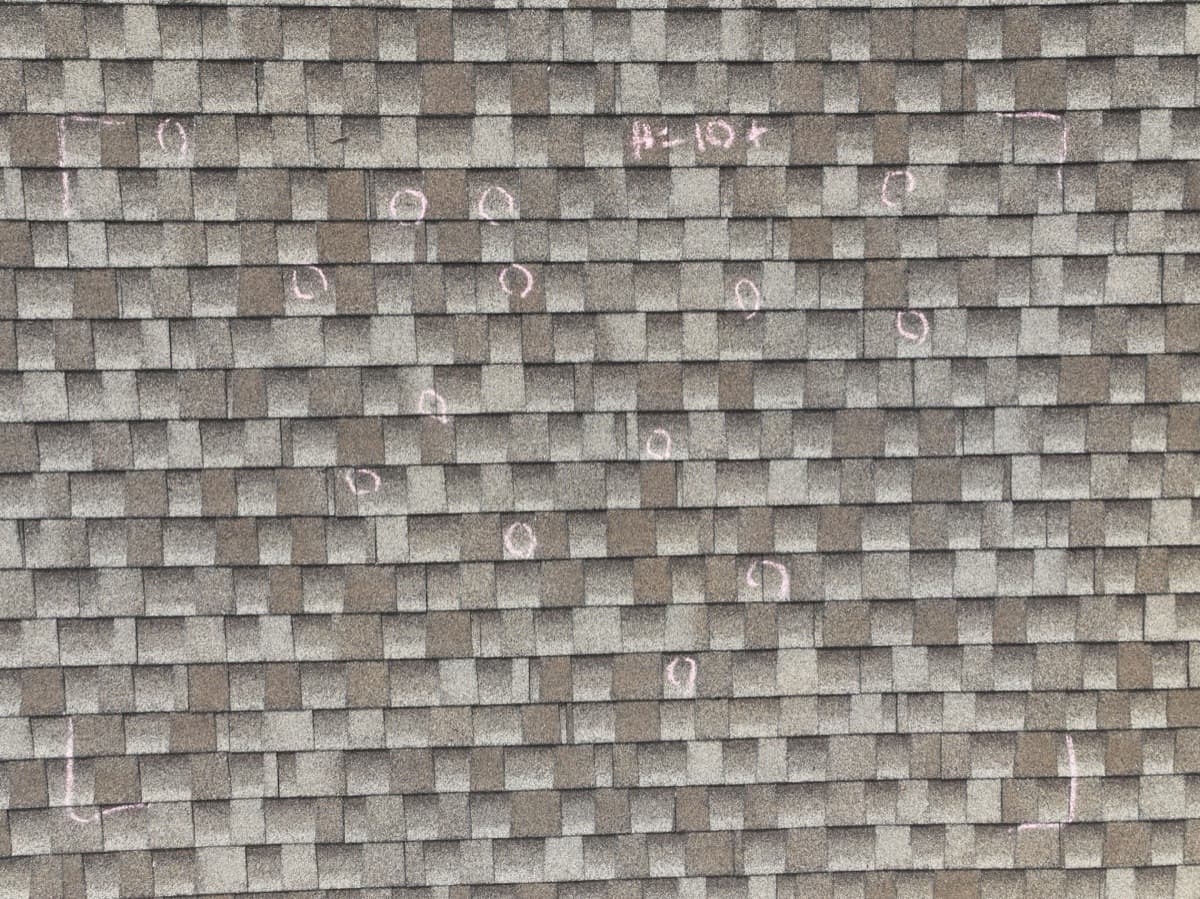
Colorado hail season runs from April through September, with the most destructive storms hitting between May and August. If you own a home along the Front Range, now is the time to prepare. Not after the first storm rolls through. Not after you spot cracked shingles in the gutter. Right now, in early spring, while you still have time to get ahead of it.
This guide covers everything Colorado homeowners need to know heading into the 2026 hail season. When the storms come, which areas are most at risk, how to prepare your roof and your insurance policy, and exactly what to do when hail hits your neighborhood.
When Is Hail Season in Colorado?
Colorado's hail season officially spans April through September, but the window of real risk is narrower than that. The peak months are May, June, July, and August. June is historically the worst month, with more large-hail events than any other month in the state. Late afternoon and early evening are the prime hours. That classic Colorado pattern of clear mornings building to afternoon thunderstorms is the engine behind most hail events.
Spring storms in April and early May tend to produce smaller hail, but they can still cause damage to aging roofs. By mid-May, the atmosphere has enough energy to produce stones well over an inch in diameter. The most severe storms, the ones that drop golf ball and baseball-sized hail, tend to cluster between late May and mid-July. By September, the jet stream has typically shifted enough to shut down the worst of the severe weather, though occasional late-season storms can still surprise.
What makes Colorado particularly vulnerable is geography. The Front Range sits at the collision point between warm, moist air flowing north from the Gulf of Mexico and cold, dry air dropping south from Canada. The Rocky Mountains add lift to the equation, forcing air upward and supercharging thunderstorm development. The result is one of the most hail-prone regions on the planet.
Where Does Hail Hit Hardest in Colorado?
Not all parts of Colorado face equal hail risk. The Front Range corridor from Fort Collins to Colorado Springs consistently takes the heaviest hits. Within that corridor, several areas stand out.
The Palmer Divide is ground zero. This elevated ridge between Denver and Colorado Springs, running through Castle Rock, Monument, and Elizabeth, creates ideal conditions for storm development. Storms that form over the Divide tend to intensify rapidly, and the communities in this area see some of the highest hail frequencies in the entire country.
The stretch of I-25 from Brighton through Thornton, Westminster, and Broomfield is sometimes called Hail Alley for good reason. Major hail events have pounded these suburbs repeatedly over the past decade. The northeastern suburbs of Denver, including Aurora, Commerce City, and Green Valley Ranch, are also frequent targets.
Colorado Springs and the communities along its northern edge (Monument, Black Forest, Falcon) sit in another high-risk zone. The combination of elevation and proximity to the Palmer Divide makes this area a reliable hail magnet.
Boulder, Longmont, and Loveland round out the list. These northern Front Range cities catch storms that develop over the foothills and track eastward across the plains.
If your home is anywhere along the Front Range, hail is not a question of if. It is a question of when. You can to see how many storms have hit near your home and how large the hailstones were.
What Different Hail Sizes Do to Your Roof
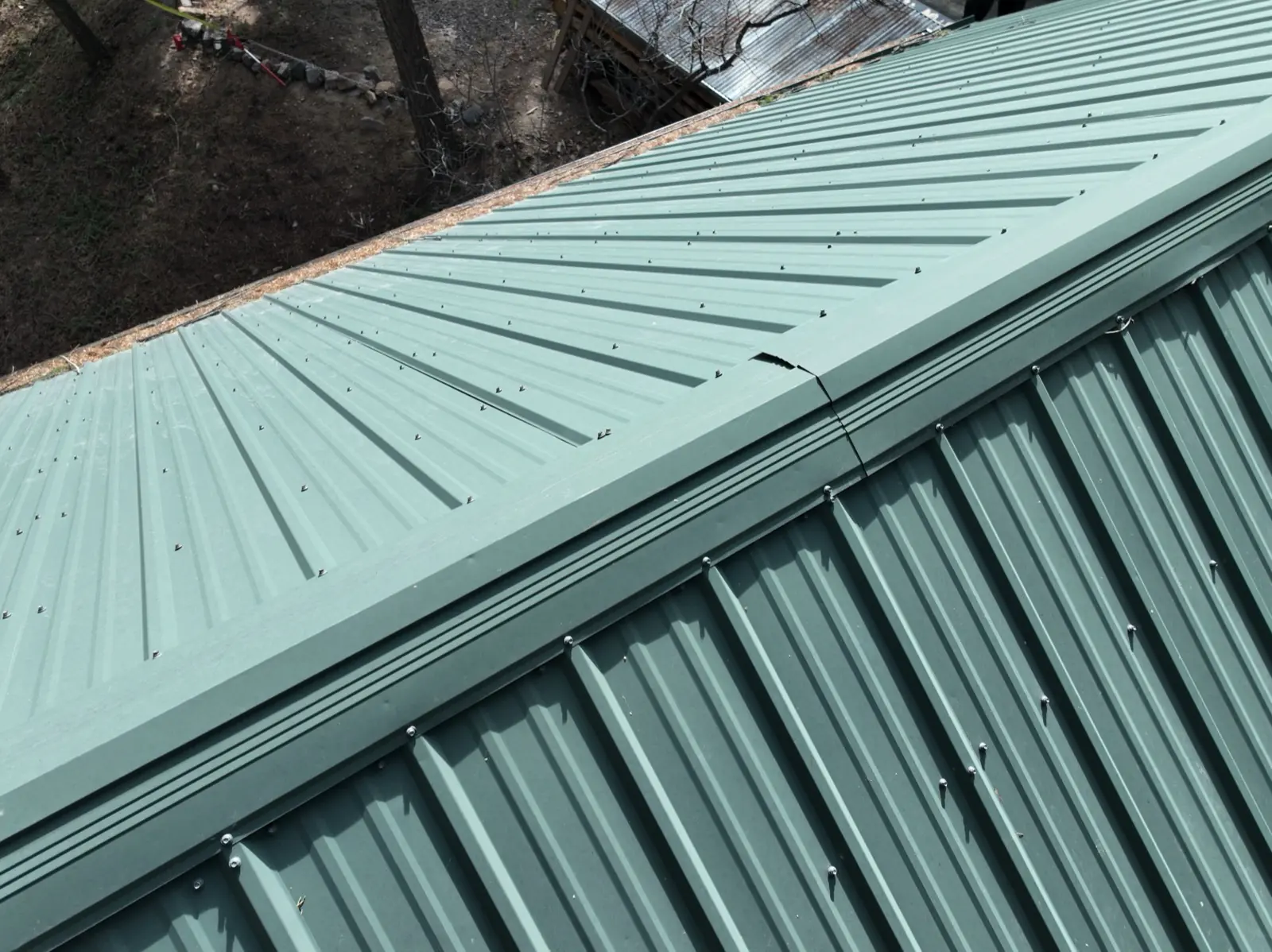
Understanding hail size helps you gauge the potential damage after a storm. Here is what different sizes typically mean for asphalt shingle roofs.
Pea-sized hail (0.25 inch) rarely causes functional damage to shingles in good condition. It can accelerate granule loss on older roofs, but newer shingles typically shrug it off.
Marble-sized hail (0.50 inch) starts to cause real granule displacement, especially on shingles that are more than 10 years old. You may notice dark spots where the asphalt layer is exposed.
Quarter-sized hail (1 inch) is the threshold where most insurance companies start paying attention. At this size, hail can bruise shingles (fracturing the fiberglass mat beneath the surface), dent flashing, and crack older or brittle shingles. Damage at this size is often invisible from the ground what hail damage looks like on a roof.
Golf ball-sized hail (1.75 inches) causes significant damage to nearly any asphalt shingle roof, regardless of age. Cracked shingles, exposed fiberglass mat, dented gutters, and damaged vents are common. Roofs hit by golf ball hail almost always qualify for insurance replacement.
Baseball-sized hail (2.75 inches) and larger is catastrophic. It punches through shingles, cracks decking, destroys skylights, and damages everything it touches. These events are less common but Colorado sees them every year somewhere along the Front Range.
How to Prepare Your Roof Before Hail Season
The best time to address your roof is before the first storm, not after. Here is a practical checklist for spring preparation.
Schedule a professional roof inspection. A qualified inspector can identify existing vulnerabilities like cracked shingles, worn flashing, deteriorating pipe boots, and areas where granule loss has already shortened your roof's remaining life. Finding these issues now gives you time to make repairs or file a claim on prior storm damage you may have missed. Gates Enterprises offers free roof inspections across the Front Range free roof inspection. Our inspectors are trained specifically for Colorado hail damage assessment, and we will give you a straight answer about your roof's condition.
Consider impact-resistant shingles if you need a replacement. Class 4 impact-resistant shingles are designed to withstand hail up to 2 inches in diameter without cracking. They cost more upfront, but most Colorado insurance companies offer a 20 to 35 percent discount on your premium for a Class 4 roof. Over the life of the roof, that discount often pays for the upgrade. As a quadruple-certified contractor (GAF Master Elite, Owens Corning Preferred, Malarkey Emerald Premium, and CertainTeed ShingleMaster), Gates Enterprises installs the top-rated impact-resistant products from every major manufacturer professional roof inspection.
Clean and inspect your gutters. Gutters clogged with debris cannot handle the water volume from a severe storm. Clear them out and check for existing dents or separation from the fascia. While you are at it, consider gutter guards. They will not prevent hail damage to the gutters themselves, but they keep debris from blocking drainage when you need it most professional gutter services.
Trim trees near your roof. Overhanging branches become projectiles in high winds. Even without wind, branches that rest on or scrape against your roof surface accelerate shingle wear. Cut back anything within six feet of your roofline. Remove dead branches from any trees on your property, since a 60 mph gust can send a dead limb through a roof.
Secure loose items around your property. Patio furniture, planters, kids' toys, and anything else that can become airborne in a storm should have a plan. Either bring items inside when storms threaten or secure them in a way that prevents them from becoming projectiles.
Get Your Insurance Ready Before the Storm
Most homeowners do not think about their insurance policy until they need to file a claim. That is a mistake. Understanding your coverage before hail season gives you a significant advantage.
Know your deductible. Many Colorado homeowner policies have switched to percentage-based deductibles for wind and hail damage, typically 1 to 2 percent of your home's insured value. On a $500,000 policy, a 2 percent deductible means $10,000 out of pocket before insurance pays anything. Some policies still use flat deductibles ($1,000, $2,500, etc.). Know which type you have and what your actual dollar amount will be.
Understand ACV vs. RCV. This is one of the most important distinctions in your policy. Replacement Cost Value (RCV) means your insurance pays to replace your roof with comparable new materials, minus your deductible. Actual Cash Value (ACV) means they pay the depreciated value, which accounts for the age and wear on your existing roof. The difference can be enormous. A 15-year-old roof on an ACV policy might only pay out 30 to 40 percent of the replacement cost. If your policy is ACV, consider upgrading to RCV before storm season if possible.
Document your roof's current condition. Take photos or video of your roof from every angle, including close-ups if you can safely access it. Record the date. This baseline documentation proves what your roof looked like before any storm damage occurred. Without it, insurance companies can argue that damage was pre-existing. A professional inspection report is even better. Having Gates Enterprises document your roof condition in the spring creates a timestamped record that holds up when you file a claim in July insurance claims assistance.
Review your policy for cosmetic damage exclusions. Some Colorado policies now include endorsements that exclude coverage for cosmetic-only hail damage. This means if your roof is dented but not functionally compromised, the insurer may deny the claim. Know whether your policy has this exclusion. If it does, talk to your agent about removing it before storm season starts.
Colorado Insurance Laws Homeowners Should Know
Colorado has several laws designed to protect homeowners during the insurance claims process. Understanding these rights can prevent you from being taken advantage of.
You have the right to choose your own contractor. Your insurance company may recommend or prefer certain contractors, but they cannot require you to use one. You can select any licensed, qualified contractor you trust.
Insurance companies must acknowledge claims promptly. Under Colorado law, insurers must acknowledge receipt of a claim within 15 working days and must accept or deny the claim within a reasonable time. If your insurer is dragging their feet, that is a red flag.
You can request a re-inspection. If you believe the insurance adjuster missed damage or underestimated the scope, you have the right to request a re-inspection. Having your contractor present during the adjuster's visit is highly recommended. They can point out damage the adjuster might overlook and ensure the scope of work is accurate insurance claims assistance.
Colorado's statute of limitations for property damage claims is generally two years from the date of the event. However, many policies have shorter deadlines written into the contract, sometimes as short as one year. Do not wait. File promptly after confirming damage.
Assignment of Benefits (AOB) restrictions apply. Colorado regulates the practice of contractors taking over your insurance claim. Make sure you understand what you are signing if any contractor asks you to assign your benefits to them. A reputable contractor will work with you on the claim without requiring you to hand over control of it.
What to Do Immediately After a Hailstorm
When the storm passes and it is safe to go outside, take these steps in order.
Check for immediate hazards. Look for downed power lines, broken glass, or structural damage before walking your property. If you see hanging gutters or damaged soffits, stay clear until you can assess whether anything is at risk of falling.
Document everything you can see from the ground. Walk the perimeter of your home and photograph all visible damage. Dented gutters, cracked siding, broken window screens, damaged landscaping, and any roofing material (shingles, granules, flashing pieces) on the ground. Include a coin or pen in close-up shots for scale. Note the date and time on every photo.
Check soft metals around your property. Look at your air conditioning unit, aluminum window trim, mailbox, and any painted wood surfaces like deck rails or fence caps. Dent patterns on these items confirm the hail was large enough to damage your roof, even if you cannot see roof damage from the ground what hail damage looks like on a roof.
Do not climb on the roof. We know it is tempting, but post-storm roofs can be slippery, and damaged shingles may not hold your weight properly. Leave the roof inspection to professionals.
Contact a reputable roofing contractor. Get a professional inspection before you call your insurance company. A trained inspector will identify damage you would miss and document it properly. At Gates Enterprises, we have handled thousands of hail claims across the Front Range. Our team knows exactly what adjusters look for and how to ensure nothing gets overlooked storm and hail damage repair.
File your insurance claim with documentation in hand. Once your contractor has confirmed damage and provided a report, contact your insurance company to open a claim. Having professional documentation ready when you call puts you in a stronger position from the start. For a full walkthrough of the claims process, read our detailed guide on filing a hail damage insurance claim in Colorado how to file a hail damage insurance claim in Colorado.
Be cautious with storm chasers. After every major hailstorm, out-of-state roofing companies flood Colorado neighborhoods knocking on doors. Many of these companies do subpar work, disappear before warranty issues arise, or pressure homeowners into signing contracts on the spot. Work with a local contractor who has an established presence and verifiable certifications.
Why Spring Is the Best Time for a Free Inspection
Timing matters more than most homeowners realize. Getting your roof inspected in March or April, before hail season starts, gives you several advantages that disappear once the storms begin.
First, contractor availability. During and after peak hail season, every roofing company on the Front Range is slammed with inspection requests and repair jobs. Wait times for inspections can stretch to weeks. In the spring, contractors can get to your home quickly.
Second, repair timelines. If your spring inspection reveals existing damage from last year's storms or general wear that needs attention, you have time to get repairs done before new storms compound the problem. Once hail season is in full swing, getting on a contractor's schedule for non-emergency work becomes much harder.
Third, insurance positioning. If your inspector documents pre-existing damage from a prior storm that you never claimed, you may still be within the filing window. Discovering this damage in April gives you time to file. Discovering it in August after new damage may complicate the process.
Fourth, baseline documentation. Even if your roof is in perfect condition, a spring inspection creates a professional record of that fact. When hail hits later in the season, you have a clear before-and-after comparison that makes your insurance claim straightforward.
Gates Enterprises provides free, no-obligation roof inspections throughout the Front Range free roof inspection. No sales pitch. No pressure. We get on the roof, assess the condition, and give you an honest report. If your roof is fine, we will tell you it is fine. If it needs attention, we will explain exactly what needs to happen and help you decide the best path forward professional roof inspection.
Your 2026 Hail Season Checklist
Here is your action plan to be ready when the storms come. Get a professional roof inspection before May. This is the single most important thing you can do free roof inspection. Review your insurance policy. Know your deductible type, understand ACV vs. RCV coverage, and check for cosmetic damage exclusions. Document your roof's current condition with photos and inspection reports. Clean gutters and install gutter guards if you do not have them. Trim trees and remove dead branches near your roofline. Secure outdoor furniture and loose items. Save your contractor's contact information so you can call immediately after a storm. Download a weather alert app that provides hail-specific warnings for your zip code.
Colorado hail season is coming. It comes every year, and 2026 will be no exception. The homeowners who come through it in the best shape are not the lucky ones. They are the prepared ones. Take 30 minutes this week to start checking items off this list, beginning with a free inspection from a contractor you can trust See our best roofer in Denver page for certified roofing options near you..